As we age, taking care of our heart becomes more important than ever. If you’re over 60, you’ve probably heard your doctor mention blood pressure, cholesterol, or heart health during your checkups. The good news is that small, manageable changes in your daily routine can make a significant difference in protecting your heart and living a vibrant, active life.
Let’s explore some essential heart-healthy habits that are specifically designed for seniors, based on the latest cardiovascular research and practical wisdom that fits into your everyday life.
Understanding Your Heart Health After 60
Your heart has been working tirelessly for decades, and as you reach your 60s and beyond, it’s natural for your cardiovascular system to experience some changes. Your blood vessels may become slightly stiffer, your heart muscle might thicken a bit, and your blood pressure might creep upward. These changes don’t mean you’re destined for heart problems—they simply mean you need to be more intentional about heart care.
High blood pressure, also called hypertension, affects nearly two-thirds of adults over 60. Many people call it the “silent killer” because it often has no symptoms, yet it significantly increases your risk of heart attack, stroke, and kidney disease. The American Heart Association recommends that seniors maintain a blood pressure below 130/80 mmHg, though your doctor might set different targets based on your individual health situation.
Understanding these numbers is the first step. The top number (systolic) measures pressure when your heart beats, while the bottom number (diastolic) measures pressure when your heart rests between beats. Both numbers matter, and keeping them in a healthy range can add years of quality living to your life.
Five Daily Habits to Strengthen Your Heart
1. Move Your Body Gently and Consistently
You don’t need to run marathons or join an intense gym class. For seniors, gentle, consistent movement is far more valuable than occasional vigorous exercise. Aim for 30 minutes of moderate activity most days of the week. This could be a morning walk around your neighborhood, water aerobics at the local community center, or even gardening in your backyard.
The key is finding activities you genuinely enjoy—you’re much more likely to stick with exercise that feels pleasant rather than punishing. If 30 minutes feels overwhelming, start with three 10-minute walks throughout the day. Your heart doesn’t know the difference, and you’ll get the same benefits.
2. Embrace a Heart-Friendly Diet
Your diet plays a tremendous role in heart health. Focus on filling your plate with colorful vegetables, fresh fruits, whole grains, lean proteins like fish and poultry, and healthy fats from sources like olive oil, avocados, and nuts.
The Mediterranean diet has consistently shown excellent results for heart health in seniors. This means more fish, less red meat, plenty of vegetables, moderate amounts of whole grains, and using olive oil instead of butter. Try to limit sodium to less than 2,300 milligrams per day—even better if you can keep it under 1,500 mg. Reading nutrition labels becomes crucial since processed foods often hide surprising amounts of salt.
One practical tip: prepare more meals at home where you control the ingredients. When you do eat out, ask for dressings and sauces on the side, and don’t be shy about requesting low-salt preparations.
3. Monitor Your Numbers Regularly
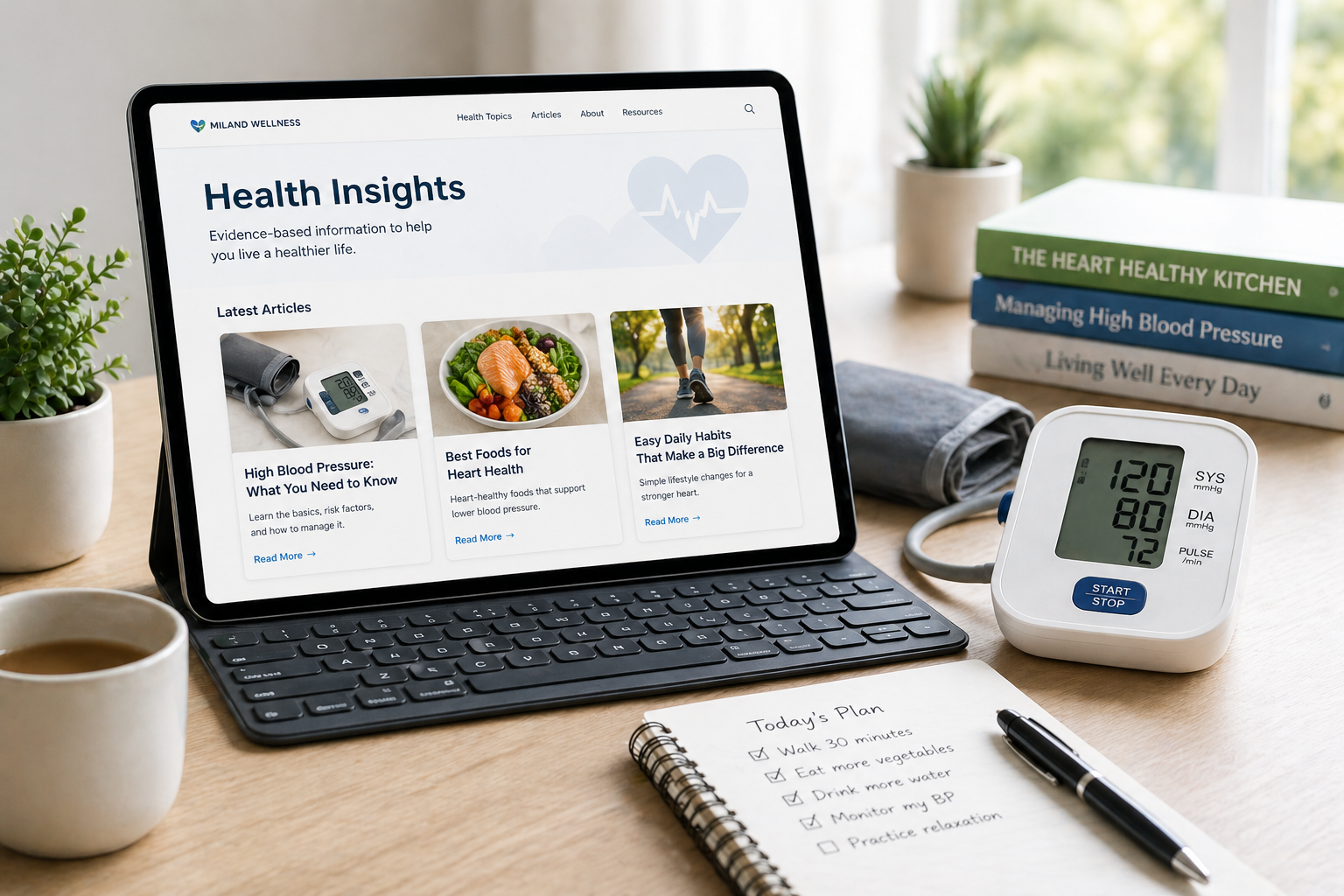
Knowledge is power when it comes to heart health. Invest in a good home blood pressure monitor and check your readings at the same time each day—ideally in the morning before medications and in the evening. Keep a simple log, either in a notebook or using a smartphone app.
Also track your weight weekly, as sudden gains might indicate fluid retention, which can signal heart problems. If you have diabetes, regular blood sugar monitoring is equally important since high blood sugar damages blood vessels over time.
4. Manage Stress and Prioritize Sleep
Chronic stress and poor sleep both contribute to high blood pressure and heart disease. As a senior, you’ve earned the right to eliminate unnecessary stress from your life. Practice saying no to obligations that drain you. Explore relaxation techniques like deep breathing, meditation, gentle yoga, or simply spending time in nature.
Aim for 7-8 hours of quality sleep each night. If you struggle with sleep, establish a calming bedtime routine, keep your bedroom cool and dark, and avoid screens for an hour before bed. If sleep problems persist, talk to your doctor—sleep apnea is common in seniors and significantly impacts heart health.
5. Stay Connected and Engaged
Loneliness and social isolation increase heart disease risk as much as smoking or obesity. Make staying connected a priority. Schedule regular phone calls with family, join a club or volunteer organization, attend community events, or adopt a pet. Social engagement keeps your mind sharp and your heart healthy.
Working With Your Healthcare Team
Your doctor is your partner in heart health, not someone to fear or avoid. Be honest about your symptoms, lifestyle, and any difficulties you’re having with medications. Bring your blood pressure log to appointments—doctors love seeing actual data rather than relying on one office reading, which is often artificially high due to “white coat syndrome.”
Ask questions if something isn’t clear. There’s no such thing as a silly question when it comes to your health. If your doctor prescribes medications for blood pressure, cholesterol, or other heart-related conditions, take them exactly as directed. Many seniors need medication in addition to lifestyle changes—this isn’t a failure, it’s smart medicine.
Also ask about which over-the-counter medications and supplements are safe for you. Some common pain relievers and cold medicines can raise blood pressure or interact with heart medications.
Taking Control of Your Heart Health Today
Managing your heart health as a senior doesn’t require perfection—it requires consistency and self-compassion. Start with one or two changes that feel manageable, and build from there. Celebrate small victories, like choosing a salad over fries or taking the stairs instead of the elevator.
Remember that it’s never too late to improve your heart health. Studies consistently show that seniors who adopt healthier habits see real benefits, even if they’ve lived differently for decades. Your heart is remarkably resilient and responsive to positive changes.
By monitoring your vital signs, eating nutritious foods, moving your body, managing stress, and staying socially connected, you’re investing in many more years of independence, energy, and joy with the people you love.
“`