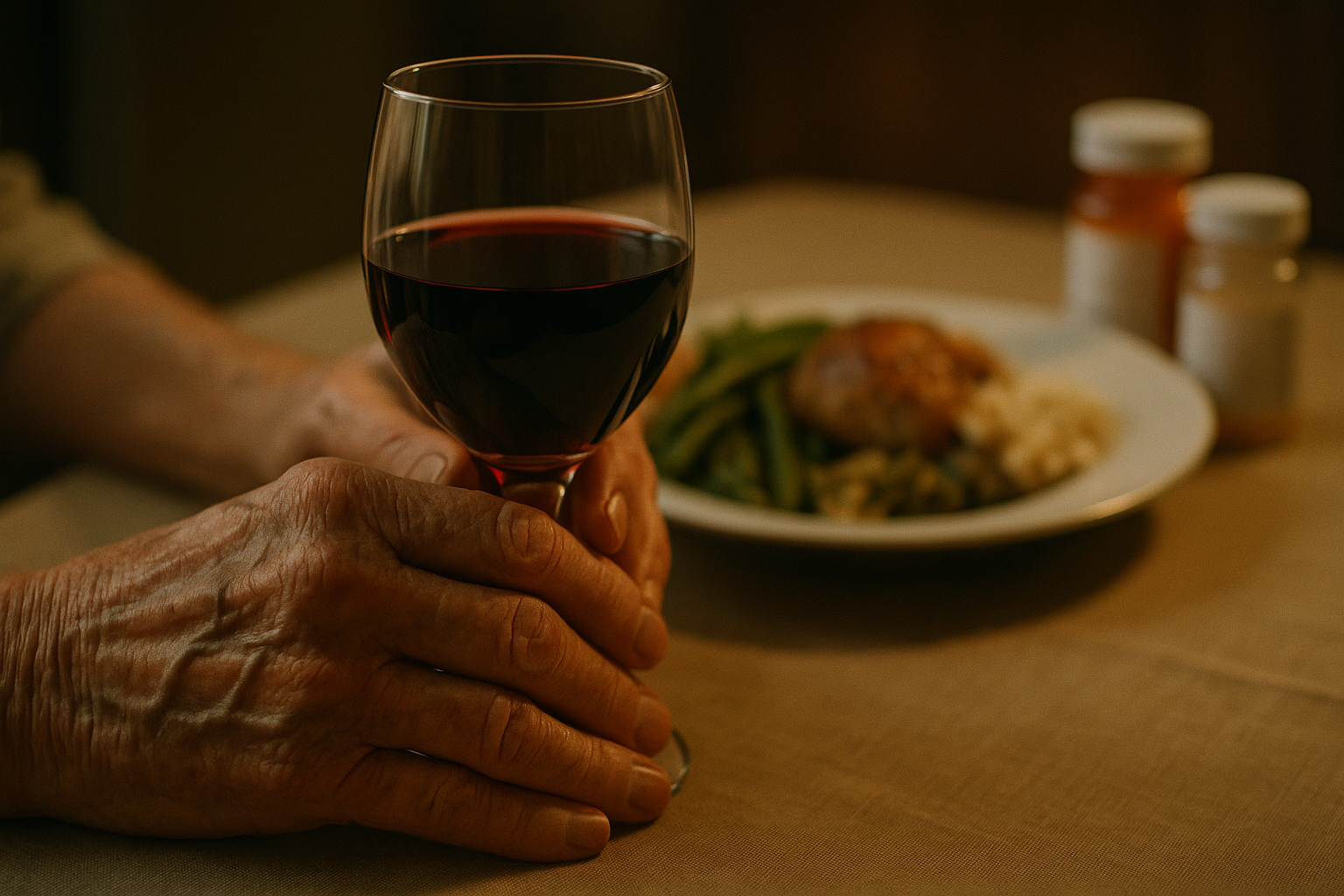
Alcohol can affect blood pressure, heart health, sleep quality, and healthy aging in several ways, especially when drinking becomes a regular habit. You’ve probably heard that a glass of wine with dinner might be good for your heart, or that moderate drinking is part of a healthy lifestyle. But new research is painting a different picture—one that’s especially important if you’re managing chronic health conditions. Scientists have now mapped out exactly how alcohol affects your body at the cellular level, and the findings might surprise you.
What the New Research Reveals
Researchers have discovered that alcohol doesn’t just affect your liver or brain—it impacts nearly every system in your body, right down to your DNA. Using advanced technology, scientists can now see how even moderate drinking accelerates biological aging, making your cells look and act older than they should.
Think of it this way: your body has a biological age that’s separate from the number of candles on your birthday cake. While you might be 65 chronologically, your cells could be functioning like they’re 70 or even 75 if you drink regularly. This biological aging happens because alcohol creates inflammation and oxidative stress—essentially, it makes your cells rust from the inside out.
How Alcohol Affects Your Health Conditions
If you’re already managing conditions like diabetes, high blood pressure, or heart disease, alcohol can make things more complicated. Here’s what happens in your body:
- Blood Sugar Swings: Alcohol can cause unpredictable changes in blood sugar levels, making diabetes harder to control
- Medication Interference: Many common medications for seniors don’t mix well with alcohol, reducing their effectiveness or causing dangerous side effects
- Blood Pressure Spikes: Even moderate drinking can raise your blood pressure and interfere with blood pressure medications
- Weakened Immune System: Alcohol suppresses your immune response, making you more vulnerable to infections
- Bone Health: Regular drinking interferes with calcium absorption and bone formation, increasing your risk of osteoporosis and falls
What’s considered “moderate” drinking when you’re younger can have outsized effects as you age. Your body processes alcohol more slowly after 60, meaning it stays in your system longer and has more time to cause damage.
Practical Steps You Can Take Today
If you currently drink, you don’t necessarily need to quit completely—though that’s certainly the safest option. What matters most is making informed choices that support your overall health goals.
Start by having an honest conversation with your doctor about your alcohol consumption. Don’t underestimate how much you drink; many people do without realizing it. A standard drink is smaller than you might think: 5 ounces of wine, 12 ounces of beer, or 1.5 ounces of spirits.
Consider tracking your drinks for a week to get a clear picture of your habits. You might discover you’re having more than you thought, especially if you tend to pour generously at home.
If you decide to cut back, try these strategies: alternate alcoholic drinks with sparkling water, choose alcohol-free days each week, or find enjoyable substitutes like flavored seltzers or herbal teas for your evening wind-down routine. Many seniors find that once they reduce their drinking, they sleep better, have more energy, and feel sharper mentally.
The Bottom Line
The new research is clear: alcohol takes a measurable toll on your body at every level, and these effects are more pronounced as you get older. While this might feel discouraging if you enjoy a regular drink, knowledge is power. Understanding how alcohol affects your biological age and chronic conditions puts you in the driver’s seat to make choices that support your health and quality of life.
Remember, small changes can make a big difference. Even reducing your intake modestly can help your body function better, your medications work more effectively, and your chronic conditions stay better controlled. Your future self will thank you for the care you’re taking today.
Want to better understand your blood pressure patterns?
Use our free Blood Pressure Tracker to record your readings, notice trends, and build a simple long-term tracking habit.
Start here: https://milandwellness.com/blood-pressure-tracker/
Medical Disclaimer: This article is for educational purposes only and does not provide medical advice, diagnosis, or treatment. Always consult your clinician for personal medical decisions.