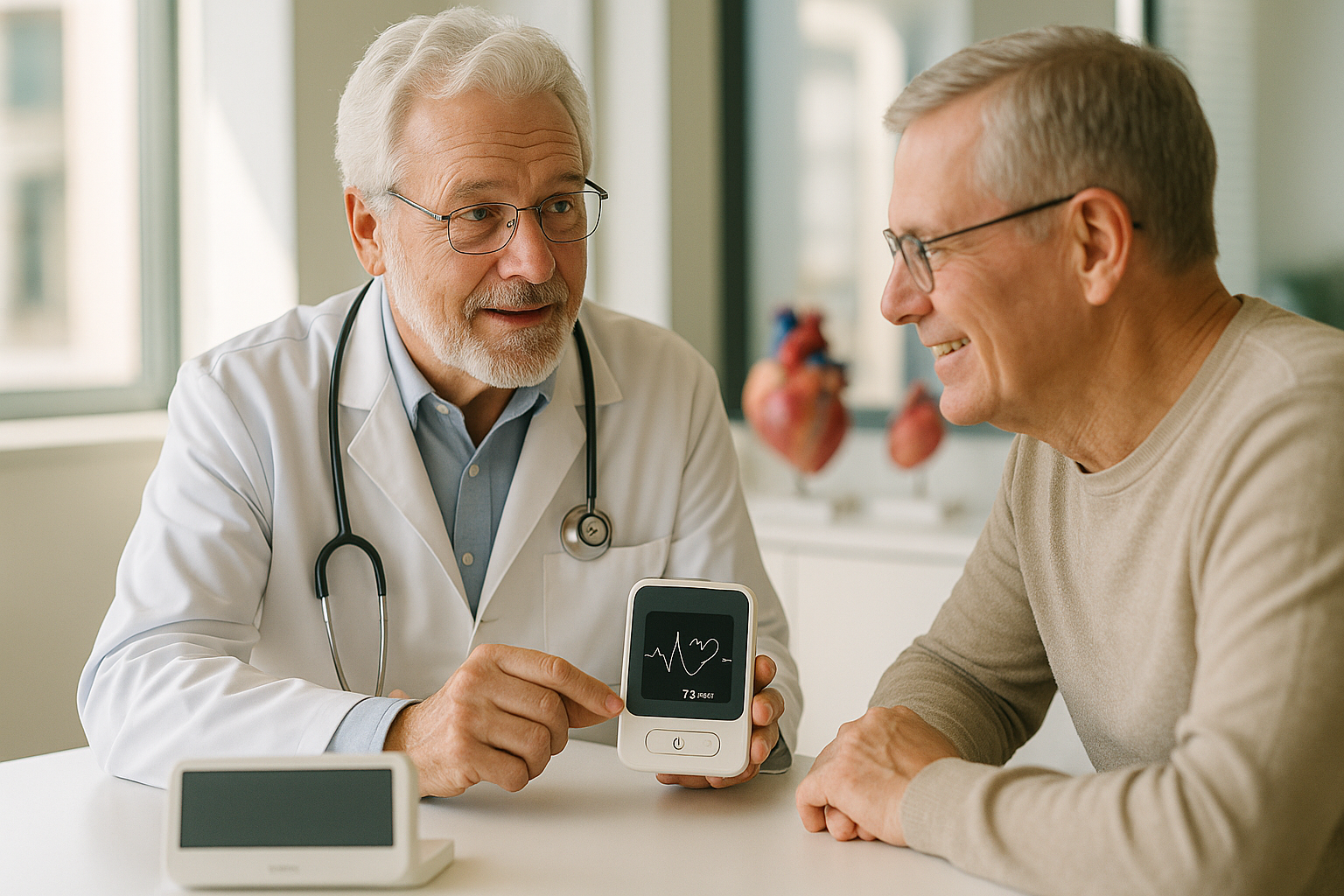
Heart devices are changing how some older adults receive heart care, but families need clear, practical information before making any medical decisions. If you’re managing heart disease or know someone who is, you’ve probably noticed how much cardiovascular care has changed over the years. Gone are the days when a heart condition meant lengthy hospital stays and invasive surgeries as your only option. Today’s cardiovascular devices are revolutionizing how doctors treat and monitor heart problems, giving you more options and better outcomes than ever before.
The cardiovascular device market in the United States is growing rapidly, driven by two key factors: the increasing number of Americans living with heart disease and remarkable advances in medical technology. For you and millions of other seniors, this expansion means access to treatments that are less invasive, more effective, and designed with your quality of life in mind.
Why Cardiovascular Devices Matter to You
Heart disease remains the leading cause of death in the United States, particularly for adults over 60. But here’s the encouraging news: modern cardiovascular devices are helping people like you live longer, healthier lives even with heart conditions.
These devices range from simple monitors you wear at home to sophisticated implants that regulate your heartbeat. Stents keep your arteries open, pacemakers ensure your heart beats regularly, and advanced valves can be replaced without open-heart surgery. Each innovation represents another tool in your healthcare team’s arsenal to keep your heart functioning at its best.
The expansion of this market also means more competition among manufacturers, which often leads to better devices at more accessible prices. Insurance coverage has expanded for many of these technologies, making them available to more people who need them.
Recent Innovations Making a Difference
The cardiovascular device field is experiencing a surge of innovation that directly benefits seniors managing chronic heart conditions. Here are some developments you should know about:
- Minimally invasive heart valve replacements: You can now have a heart valve replaced through a small catheter (thin tube) rather than open-heart surgery, meaning shorter recovery times and less risk.
- Smart pacemakers and defibrillators: Modern devices can communicate with your doctor’s office remotely, alerting them to potential problems before you even notice symptoms.
- Advanced stent technology: Newer stents are designed to reduce complications and keep your blood vessels open longer, requiring fewer repeat procedures.
- Wearable heart monitors: Comfortable devices you can wear at home track your heart rhythm continuously, helping doctors detect irregular heartbeats that might otherwise go unnoticed.
What This Means for Your Heart Health Journey
As the cardiovascular device market grows, you have more treatment options than previous generations could have imagined. This is particularly important if you’ve been told you need a procedure but have been hesitant due to concerns about surgery or recovery time.
Don’t hesitate to ask your cardiologist about the latest device options available for your specific condition. Many procedures that once required open-heart surgery can now be performed with minimally invasive techniques that have you back on your feet in days instead of weeks.
You should also inquire whether remote monitoring devices might benefit you. These tools allow your doctor to keep a closer eye on your heart health without requiring you to make frequent office visits—especially valuable if transportation is challenging or you live far from your healthcare provider.
Taking Action: Questions to Ask Your Doctor
Being an informed patient helps you make better decisions about your care. Consider asking your healthcare provider these questions at your next appointment:
- Are there newer device options available for my condition that weren’t around a few years ago?
- Would I benefit from a minimally invasive procedure rather than traditional surgery?
- Could a remote monitoring device help manage my condition more effectively?
- What are the pros and cons of different device options for someone my age?
The Bottom Line
The expanding cardiovascular device market represents hope and improved quality of life for seniors managing heart conditions. With innovations making procedures safer, recovery faster, and monitoring more convenient, you have more reason than ever to stay optimistic about managing your heart health. The key is staying informed, asking questions, and working closely with your healthcare team to take advantage of these advances.
Want to better understand your blood pressure patterns?
Use our free Blood Pressure Tracker to record your readings, notice trends, and build a simple long-term tracking habit.
Start here: https://milandwellness.com/blood-pressure-tracker/
Medical Disclaimer: This article is for educational purposes only and does not provide medical advice, diagnosis, or treatment. Always consult your clinician for personal medical decisions.