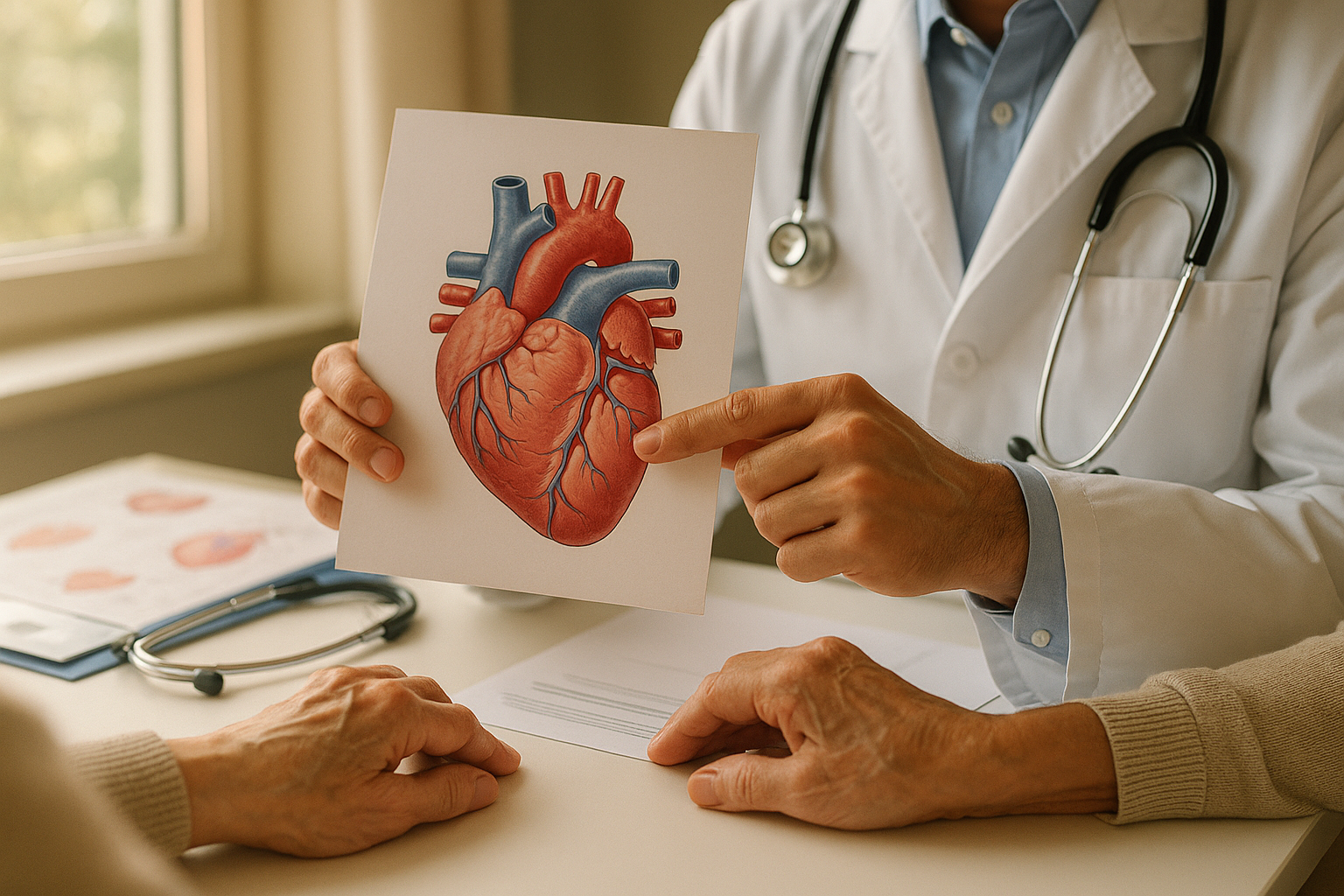
You might think a heart attack would be impossible to miss, but the truth is, many people experience what doctors call “silent heart attacks” without even knowing it. These events occur with little to no symptoms, yet new research suggests they could be quietly affecting your brain health in ways you need to know about.
A recent study has found a concerning connection between silent heart attacks and faster cognitive decline in older adults. Understanding this link could help you take important steps to protect both your heart and your mind as you age.
What Exactly Is a Silent Heart Attack?
A silent heart attack, medically known as a silent myocardial infarction, happens when blood flow to part of your heart is blocked, but you don’t experience the classic warning signs. Unlike the chest-clutching pain often shown in movies, silent heart attacks can feel like indigestion, mild discomfort, or even go completely unnoticed.
These hidden cardiac events are surprisingly common. Research suggests that nearly half of all heart attacks may be silent, meaning you could have had one without realizing it. The damage to your heart muscle still occurs, but without the dramatic symptoms that typically send people to the emergency room.
Silent heart attacks are often discovered later during routine medical tests like electrocardiograms (EKGs) or imaging scans. By then, the heart tissue has already been damaged, and as this new research shows, your brain may have been affected too.
The Heart-Brain Connection You Need to Know
Your heart and brain are more closely connected than you might realize. When your heart doesn’t pump blood effectively—even during a silent heart attack—your brain receives less oxygen and fewer nutrients than it needs to function at its best.
The recent research indicates that people who’ve had silent heart attacks show faster decline in memory, thinking skills, and overall cognitive function compared to those without such events. This decline isn’t just theoretical—it can affect your daily life, from remembering appointments to managing medications to enjoying conversations with loved ones.
The good news is that understanding this connection empowers you to take action. What’s good for your heart truly is good for your brain, and protecting one helps protect the other.
Warning Signs You Shouldn’t Ignore
While silent heart attacks may not cause obvious symptoms, your body might still send subtle signals. Pay attention to these less dramatic warning signs:
- Unusual fatigue or weakness that comes on suddenly
- Mild discomfort in your chest, jaw, neck, back, or arms
- Shortness of breath without obvious cause
- Breaking out in a cold sweat for no clear reason
- Nausea or indigestion that seems different from usual
- Feeling lightheaded or dizzy
If you experience any of these symptoms, especially if you have risk factors like high blood pressure, diabetes, or a family history of heart disease, don’t dismiss them. It’s always better to get checked out and be wrong than to ignore a potentially serious problem.
Protecting Your Heart and Mind Starting Today
The connection between silent heart attacks and cognitive decline underscores the importance of heart health at every age, but especially as you get older. Here are practical steps you can take right now:
Schedule regular check-ups. Don’t skip your annual physical or cardiac screenings. These appointments can detect heart damage or risk factors before they lead to bigger problems.
Know your numbers. Stay on top of your blood pressure, cholesterol levels, and blood sugar. These metrics tell an important story about your heart health and can help you catch problems early.
Move your body regularly. You don’t need to run marathons. Even moderate activity like walking 30 minutes most days of the week strengthens your heart and improves blood flow to your brain.
Eat for heart health. Focus on fruits, vegetables, whole grains, lean proteins, and healthy fats. The Mediterranean diet, in particular, has been shown to benefit both heart and brain health.
Manage stress. Chronic stress takes a toll on your cardiovascular system. Find healthy ways to relax, whether through meditation, hobbies, or time with loved ones.
The Bottom Line
Silent heart attacks may not announce themselves with dramatic symptoms, but their impact on your brain health is very real. By staying vigilant about your heart health, recognizing subtle warning signs, and working closely with your healthcare team, you can protect both your cardiovascular system and your cognitive function for years to come.
Remember, it’s never too late to start taking better care of your heart—and in doing so, you’re also taking care of your mind.
A simple next step: track your blood pressure regularly.
High blood pressure is one of the most important risk factors for heart disease and stroke. If you are managing your heart health, start with consistent home tracking.
Use our Free Blood Pressure Tracker to record your readings, notice patterns, and build better daily habits.
Disclaimer: This article is for informational purposes only and is not a substitute for professional medical advice, diagnosis, or treatment. Always consult with your healthcare provider about any questions you may have regarding your heart health, cognitive function, or any medical condition.