Have you ever felt your heart racing or skipping beats for no apparent reason? If so, you’re not alone. Millions of Americans experience these sensations, and for many, the culprit is a condition called atrial fibrillation—or AFib for short. The challenge? This common heart rhythm disorder often goes undetected, even though it significantly increases your risk of stroke and other serious complications. Fortunately, new research is shedding light on better ways to catch AFib before it causes harm.
What Is Atrial Fibrillation and Why Does It Matter?
Atrial fibrillation occurs when the upper chambers of your heart (the atria) beat irregularly and often too quickly. Instead of pumping blood efficiently, they quiver or “fibrillate,” which can allow blood to pool and form clots. If a clot travels to your brain, it can cause a stroke.
Here’s what makes AFib particularly concerning: many people have it without knowing. You might experience occasional fluttering sensations, fatigue, or shortness of breath—or you might feel nothing at all. This “silent” nature means AFib frequently goes undiagnosed until a serious complication occurs.
The numbers are sobering. AFib affects about 6 million Americans, with the majority being over age 65. As we age, our risk increases dramatically—about 9% of people over 65 have AFib, and that percentage continues to climb with each passing decade.
Why Traditional Detection Methods Fall Short
You might wonder: if AFib is so common, why isn’t it caught during regular checkups? The answer lies in the episodic nature of the condition. Many people have what’s called “paroxysmal” AFib, meaning their heart rhythm problems come and go unpredictably.
Traditional detection methods have significant limitations. A standard electrocardiogram (ECG) at your doctor’s office only captures a brief snapshot—typically 10 seconds—of your heart’s activity. If you’re not experiencing AFib at that exact moment, it won’t be detected. It’s like trying to catch lightning in a bottle.
Even 24-hour Holter monitors, which you wear home to record your heart rhythm, may miss AFib episodes that don’t occur during that specific timeframe. This is why researchers have been exploring better detection strategies.
New Approaches to Finding AFib Earlier
Recent studies are examining more effective screening methods that increase the chances of catching AFib when it occurs. Extended monitoring—wearing a heart rhythm monitor for weeks or even months—has shown promise in identifying people with intermittent AFib.
Additionally, researchers are investigating targeted screening programs for high-risk populations. These programs focus intensive monitoring efforts on people most likely to have undetected AFib, including those with:
- Previous stroke or mini-stroke (TIA)
- High blood pressure
- Heart failure
- Diabetes
- Sleep apnea
- Family history of AFib
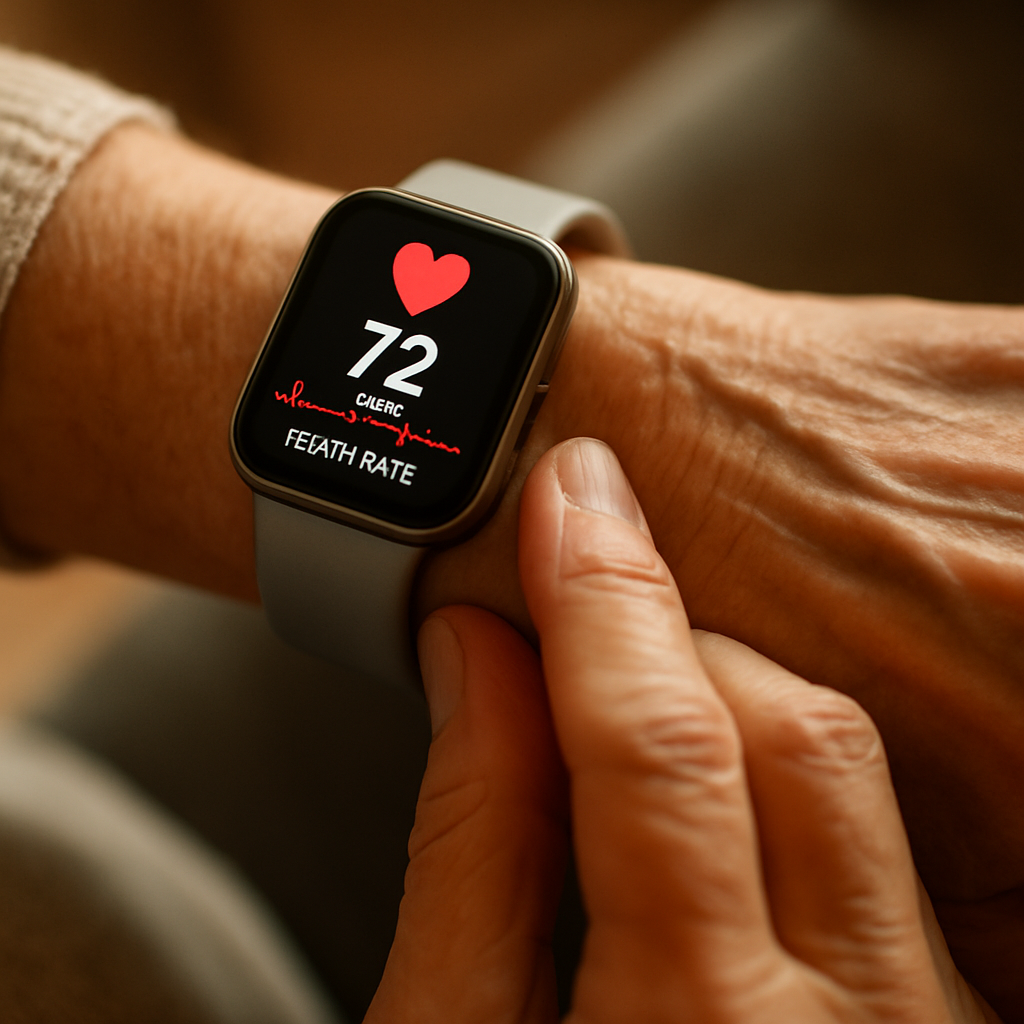
Technology is also playing a larger role. Smartwatches and smartphone apps with AFib detection capabilities are becoming more accurate and accessible. While these aren’t diagnostic tools by themselves, they can alert you to potential problems that warrant professional evaluation.
What You Can Do to Protect Your Heart
Don’t wait for symptoms to take action. If you’re over 65 or have risk factors for AFib, talk with your healthcare provider about whether extended heart monitoring makes sense for you. Being proactive could literally save your life.
Pay attention to your body. Keep a log of any unusual symptoms like heart palpitations, unexplained fatigue, dizziness, or shortness of breath. Even if these symptoms come and go, they’re worth discussing with your doctor.
Consider checking your pulse regularly. While an irregular pulse doesn’t automatically mean you have AFib, it’s a signal that warrants medical attention. Your doctor can determine if further testing is needed.
The Bottom Line
Atrial fibrillation is too common and too dangerous to remain hidden. While traditional detection methods have limitations, newer approaches and technologies are making it easier to identify AFib before it leads to stroke or other complications. If you’re in the higher-risk age group or have other risk factors, don’t hesitate to ask your doctor about more comprehensive screening options. Early detection truly can make all the difference in protecting your heart health and overall well-being.
Protect Your Heart Before Problems Start
Keeping track of your blood pressure and heart rhythm can help you catch warning signs early.
Our free Blood Pressure Tracker helps you monitor your numbers, spot patterns, and build healthier daily habits.
👉 Start here:
Use the Free Blood Pressure Tracker →
Early awareness can make a major difference.
Disclaimer: This article is for informational purposes only and is not intended to replace professional medical advice. Always consult with your healthcare provider about any concerns regarding your heart health, symptoms you’re experiencing, or appropriate screening methods for your individual situation.