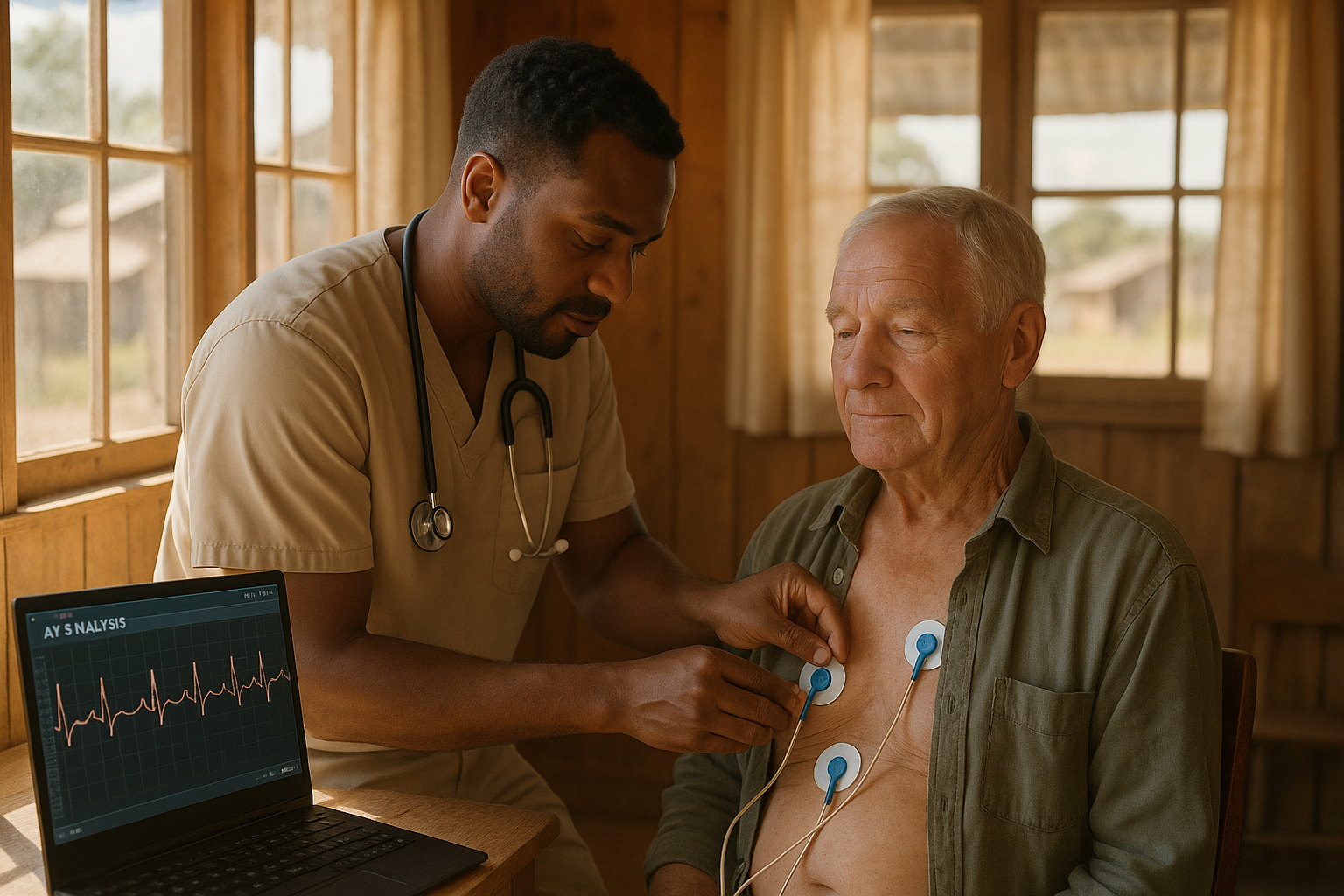
AI ECG technology may help detect heart failure earlier in adults over 60 before symptoms become serious. Imagine getting a quick, accurate heart health check without needing expensive hospital equipment or a specialist nearby. Thanks to recent advances in artificial intelligence, this is becoming a reality—even in areas where healthcare resources are limited. A groundbreaking study has shown that AI-powered electrocardiogram (ECG) technology can effectively identify heart failure, and this innovation could mean better access to cardiac care for millions of people, including seniors living in underserved communities.
What This New Technology Does
An electrocardiogram, or ECG, is a simple test that records your heart’s electrical activity. You’ve probably had one at your doctor’s office—it involves placing small patches on your chest that connect to a machine. What’s new here is that artificial intelligence can now analyze these ECG readings to detect signs of heart failure that might be missed by the human eye or in situations where a cardiologist isn’t available.
Heart failure doesn’t mean your heart stops working entirely. Rather, it means your heart isn’t pumping blood as well as it should, which can lead to fatigue, shortness of breath, and fluid buildup in your legs and lungs. Early detection is crucial because treatment can help you manage symptoms and maintain your quality of life.
The AI system studied in this research was specifically tested in low-resource settings—places where access to specialized doctors and advanced medical equipment is limited. The results were impressive: the AI could identify heart failure with accuracy comparable to readings done in major medical centers.
Why This Matters for You
If you’re over 60, your risk of developing heart failure increases, especially if you have conditions like high blood pressure, diabetes, or coronary artery disease. According to health experts, about 6 million Americans live with heart failure, and many cases go undiagnosed until symptoms become severe.
This AI technology could change that in several important ways:
- You might get diagnosed sooner, even if you live far from a major hospital or cardiology center
- Rural clinics and community health centers could offer more sophisticated heart screening
- Follow-up monitoring could become easier and more accessible
- Healthcare costs might decrease as early detection prevents expensive emergency situations
Early detection gives you and your doctor more time to develop a treatment plan, adjust your medications, and make lifestyle changes that can keep your heart working better for longer.
What You Can Do Now
While this AI technology is still being rolled out to various healthcare facilities, you don’t need to wait to take charge of your heart health. Here are practical steps you can take today:
Talk to your doctor about getting an ECG if you haven’t had one recently, especially if you have risk factors like high blood pressure, diabetes, or a family history of heart disease. Many primary care offices can perform basic ECGs right during your visit.
Pay attention to warning signs of heart failure, including persistent fatigue, shortness of breath during normal activities, swelling in your ankles or legs, rapid weight gain, or a persistent cough. These symptoms deserve a conversation with your healthcare provider.
Ask your local clinic or hospital what heart screening services they offer. As AI technology becomes more widespread, even smaller facilities may soon have access to these advanced diagnostic tools. Being informed about what’s available in your area helps you advocate for your own care.
The Bottom Line
AI-powered ECG analysis represents a significant leap forward in making quality heart care more accessible to everyone, regardless of where they live or their economic circumstances. For seniors managing chronic conditions, this technology offers hope for earlier detection and better management of heart failure.
While the technology is promising, remember that it’s a tool to help your healthcare team, not a replacement for regular medical care. The best approach to heart health combines innovative technology with the expertise of your doctors, your own attention to symptoms, and healthy lifestyle choices.
Stay curious about new healthcare technologies, but also stay connected with your medical team. Together, you can make the most of these advances to protect your heart health for years to come.
Take Control of Your Blood Pressure Today
Early detection saves lives—but daily prevention matters even more.
Tracking your blood pressure regularly is one of the simplest ways to protect your heart, kidneys, and overall health.
Start here:
👉 Download our Free 7-Day Blood Pressure Start Plan
Disclaimer: This article is for informational purposes only and is not intended to replace professional medical advice, diagnosis, or treatment. Always consult with your healthcare provider about any questions you have regarding heart health, symptoms you’re experiencing, or appropriate screening tests for your individual situation.