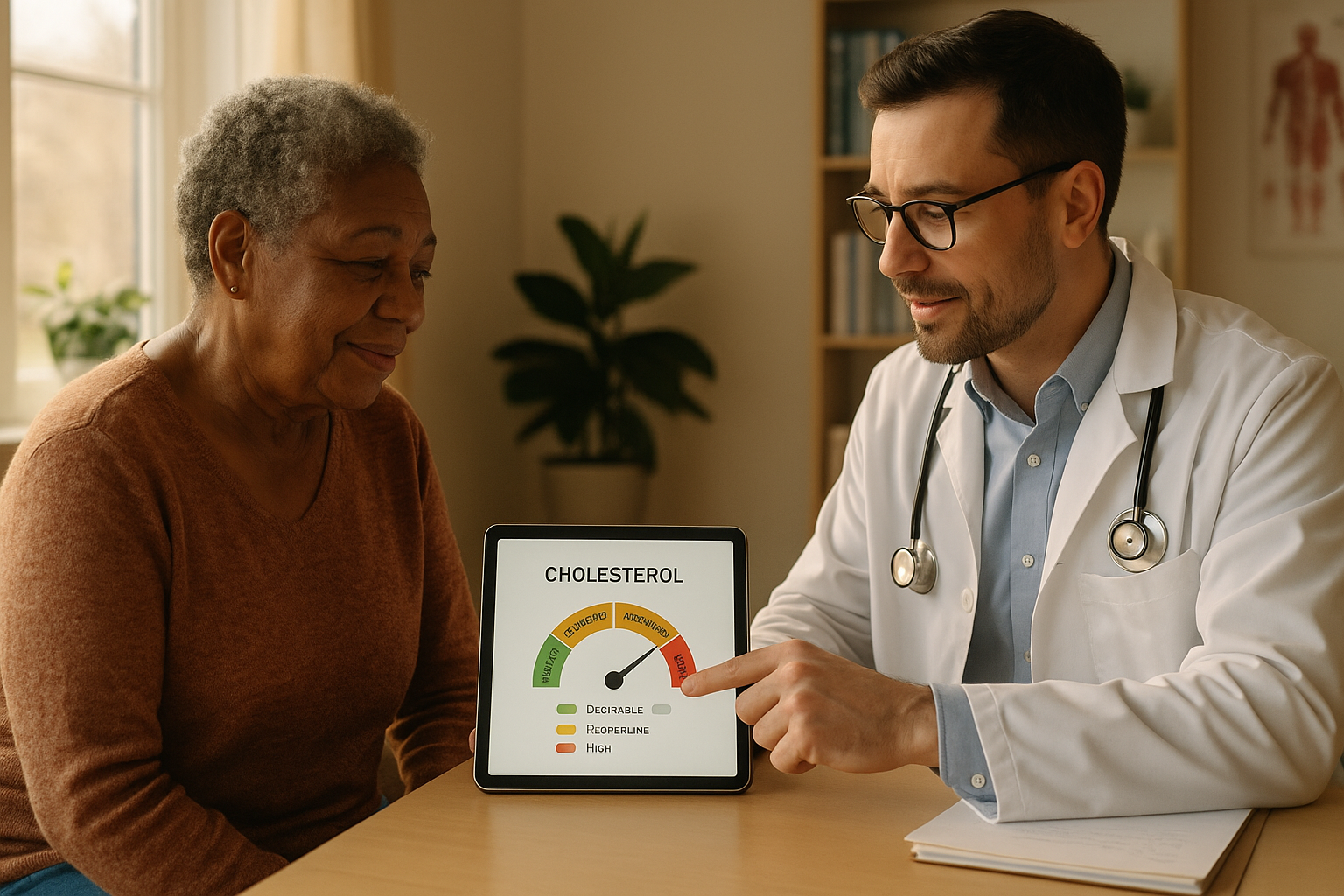
High blood pressure and cholesterol often work together silently to increase the risk of coronary artery disease, heart attack, and stroke. Many people focus only on their blood pressure numbers, but hidden cholesterol problems can also damage blood vessels and raise long-term heart risk. You visit your doctor regularly, watch your diet, and take your prescribed medications. Your cholesterol numbers look decent on paper. But what if there’s a hidden risk factor lurking beneath those seemingly normal test results—one that affects roughly 20% of people without them ever knowing?
According to the American Heart Association, high blood pressure and unhealthy cholesterol levels are both important cardiovascular risk factors.
Recent research has revealed that one in five adults may carry a genetic condition called lipoprotein(a) elevation, often written as Lp(a). This lesser-known cholesterol particle can significantly increase your risk of heart disease and stroke, even when your standard cholesterol tests come back looking just fine.
What Exactly Is Lipoprotein(a)?
Think of Lp(a) as a cousin to LDL cholesterol—the kind your doctor typically calls “bad cholesterol.” However, Lp(a) is stickier and more likely to cling to your artery walls, creating dangerous buildup over time.
Here’s the tricky part: your lifestyle choices have very little impact on Lp(a) levels. Unlike regular cholesterol that you can often manage through diet and exercise, Lp(a) is almost entirely determined by your genes. You inherit it from your parents, and it remains relatively stable throughout your life.
Standard cholesterol panels—the blood tests you probably get at your annual checkup—don’t measure Lp(a) at all. That means you could have perfectly normal total cholesterol, LDL, and HDL numbers while still carrying this hidden risk factor.
Why This Matters for Your Health
Elevated Lp(a) levels can double or even triple your risk of heart attack and stroke. For seniors managing other chronic conditions like diabetes or high blood pressure, this added risk becomes even more significant.
The condition is particularly concerning because it often goes undetected until a cardiac event occurs. Many people discover their elevated Lp(a) only after experiencing a heart attack or stroke—sometimes despite doing everything “right” with diet, exercise, and medication.
Research suggests that Lp(a) contributes to cardiovascular disease in several ways:
- It promotes plaque buildup in your arteries more aggressively than regular LDL cholesterol
- It increases inflammation in blood vessel walls
- It may interfere with your body’s natural clot-dissolving processes
- It can cause calcification of heart valves, especially the aortic valve
Should You Get Tested?
The simple answer is yes—especially if you’re over 60. Major cardiology organizations now recommend that all adults get tested for Lp(a) at least once in their lifetime.
You should prioritize testing if you have a personal or family history of early heart disease, particularly if heart attacks or strokes occurred before age 55 in men or 65 in women in your family. If you’ve already experienced a cardiac event despite having well-controlled cholesterol levels, testing becomes even more important.
The good news is that testing is straightforward. It requires just a simple blood test, and you only need to do it once since Lp(a) levels don’t change much over time. Talk to your doctor about adding this test to your next blood work panel.
What You Can Do About Elevated Lp(a)
While you can’t change your Lp(a) levels through diet and exercise alone, knowing your status empowers you and your healthcare team to take protective action.
If you discover elevated Lp(a), your doctor may recommend more aggressive management of other risk factors you can control. This might mean stricter LDL cholesterol targets, closer blood pressure monitoring, or additional medications to protect your cardiovascular system.
Some promising treatments are currently in clinical trials, including medications specifically designed to lower Lp(a). While these aren’t yet widely available, they may become options in the near future. Knowing your Lp(a) status now could position you to benefit from these therapies when they become accessible.
The Bottom Line on High Blood Pressure and Cholesterol
One in five people carries this hidden cholesterol risk, and you could be among them without knowing it. A simple blood test can reveal whether you have elevated Lp(a) levels, giving you and your doctor crucial information to protect your heart health.
Don’t assume your heart disease risk is low just because your regular cholesterol numbers look good. Ask your healthcare provider about Lp(a) testing at your next appointment. Knowledge is power, especially when it comes to preventing heart attacks and strokes.
For people living with high blood pressure and cholesterol concerns, asking about advanced cholesterol testing may be an important part of long-term heart health management.
Take the Next Step: Track Your Blood Pressure
High blood pressure and cholesterol can quietly increase long-term heart risk. Tracking your blood pressure at home is one simple step that may help you notice patterns earlier and have better conversations with your healthcare provider.
Start Tracking Your Blood Pressure
Disclaimer: This article is for informational purposes only and is not intended to replace professional medical advice, diagnosis, or treatment. Always consult with your healthcare provider before making any changes to your health management plan or if you have concerns about your cardiovascular risk factors.