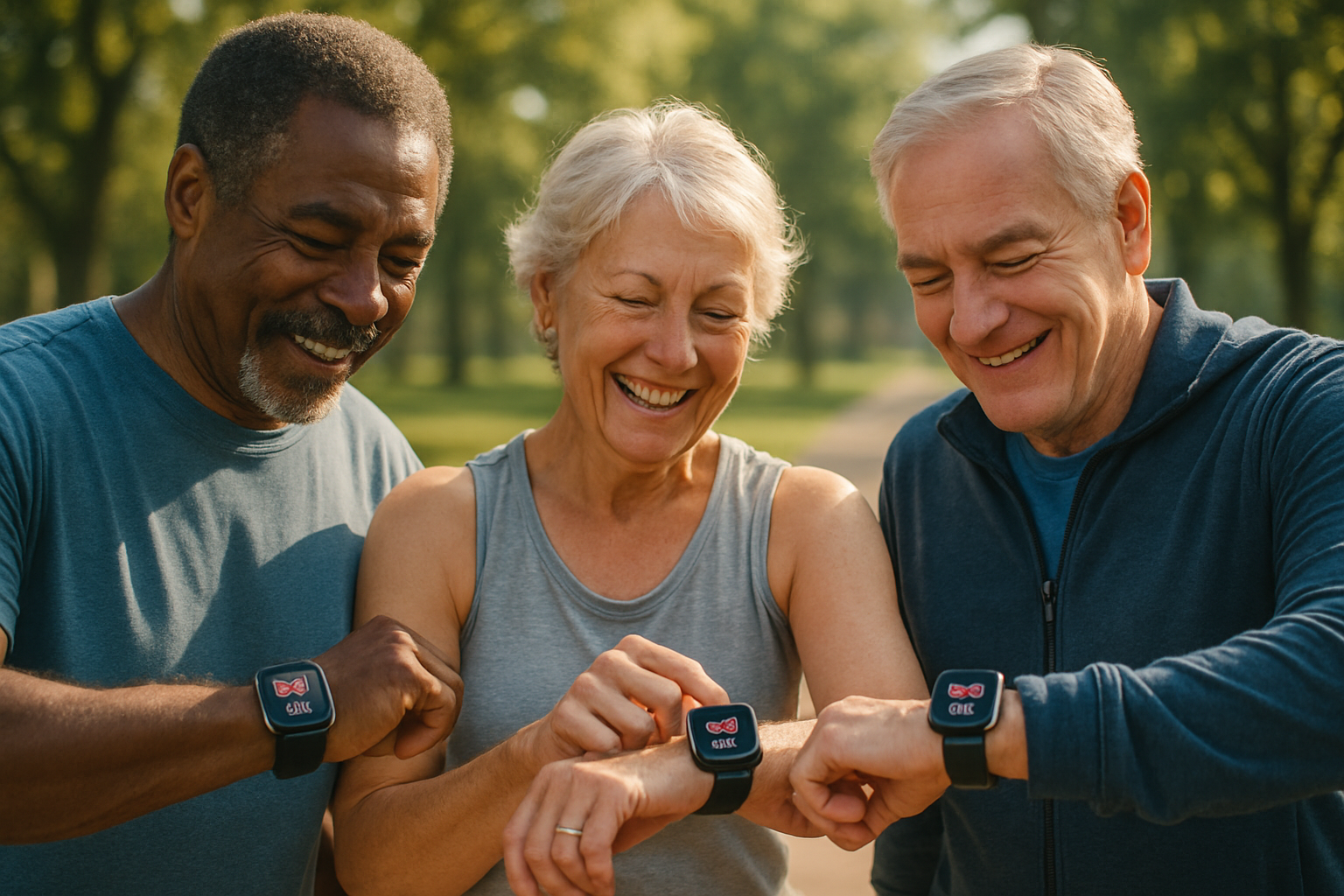
Have you noticed more friends wearing smartwatches and fitness trackers lately? You’re not imagining things. These little devices have become incredibly popular, and they’re doing more than just counting steps. According to recent medical research, wearable technology might actually help detect heart problems before they become serious—and that’s exciting news for anyone managing their heart health.
Let’s take a closer look at what doctors are saying about these devices and whether one might be right for you.
What Can These Devices Actually Detect?
Modern wearables have come a long way from simple pedometers. Today’s smartwatches and fitness trackers can monitor several important heart-related measurements throughout your day and night.
The most common feature is continuous heart rate monitoring. Your device checks your pulse constantly, alerting you if it detects anything unusual—like a heart rate that’s too fast, too slow, or irregular. Some advanced models can even perform an electrocardiogram (ECG), which is a test that records the electrical signals in your heart, right from your wrist.
Many devices also track heart rhythm patterns and can identify atrial fibrillation, or AFib. This is an irregular heartbeat that affects millions of Americans and increases your risk of stroke. The earlier you catch it, the sooner you can work with your doctor on a treatment plan.
What Does the Research Actually Show?
Doctors have been studying whether these devices really work, and the results are promising. Large-scale studies have found that wearables can successfully identify AFib in people who didn’t know they had it. In fact, some research shows these devices catch irregular heart rhythms with reasonable accuracy when compared to traditional medical equipment.
Here’s what makes this particularly valuable: many heart rhythm problems come and go. You might not experience symptoms during a regular doctor’s visit, but a wearable monitors you 24/7. It can catch those brief episodes that traditional monitoring might miss.
That said, doctors emphasize that these devices aren’t perfect. They can sometimes give false alarms, and they’re not a replacement for proper medical testing. Think of them as helpful assistants rather than doctors on your wrist.
Should You Consider Getting One?
A wearable device might be particularly helpful if you:
- Have a family history of heart disease
- Experience occasional palpitations or dizziness
- Already manage conditions like high blood pressure or diabetes
- Want to be more proactive about your heart health
- Enjoy tracking your daily activity and fitness goals
When choosing a device, you don’t need the most expensive option. Many mid-range trackers offer heart rate monitoring and basic rhythm detection. Look for devices that have been cleared by the FDA for medical purposes if heart monitoring is your primary concern.
Remember to share your wearable data with your doctor during appointments. Many physicians now welcome this information—it gives them a fuller picture of your heart health between visits.
Making the Most of Your Device
If you decide to use a wearable, wear it consistently for the best results. Most devices need to fit snugly (but comfortably) on your wrist to get accurate readings.
Don’t panic if you get an alert. False alarms do happen, especially during exercise or if the device isn’t positioned correctly. Note when the alert occurred and what you were doing, then follow up with your healthcare provider.
Keep your expectations realistic. These devices are excellent tools for monitoring trends and catching potential issues, but they can’t diagnose heart problems on their own. They work best as part of your overall health management strategy, alongside regular checkups and your doctor’s guidance.
The Bottom Line
Wearable devices show real promise in detecting heart problems early, giving you and your doctor valuable information that could lead to earlier treatment and better outcomes. They’re not magic—and they’re not medical-grade diagnostic tools—but they can be helpful partners in managing your heart health, especially if you’re already at risk or managing chronic conditions.
The technology will only get better from here, making heart health monitoring more accessible than ever before.
Track Your Heart Health Better
If you’re monitoring blood pressure, heart rhythm, or other heart health concerns, keeping consistent records matters.
Our Free Blood Pressure Tracker helps you:
• Log your daily blood pressure readings
• Track patterns over time
• Understand lifestyle triggers
• Build better long-term heart health habits
👉 Start here:
→ Use the Free Blood Pressure Tracker
Disclaimer: This article is for informational purposes only and is not a substitute for professional medical advice, diagnosis, or treatment. Always consult your physician or other qualified healthcare provider before starting any new health monitoring routine or if you have concerns about your heart health.