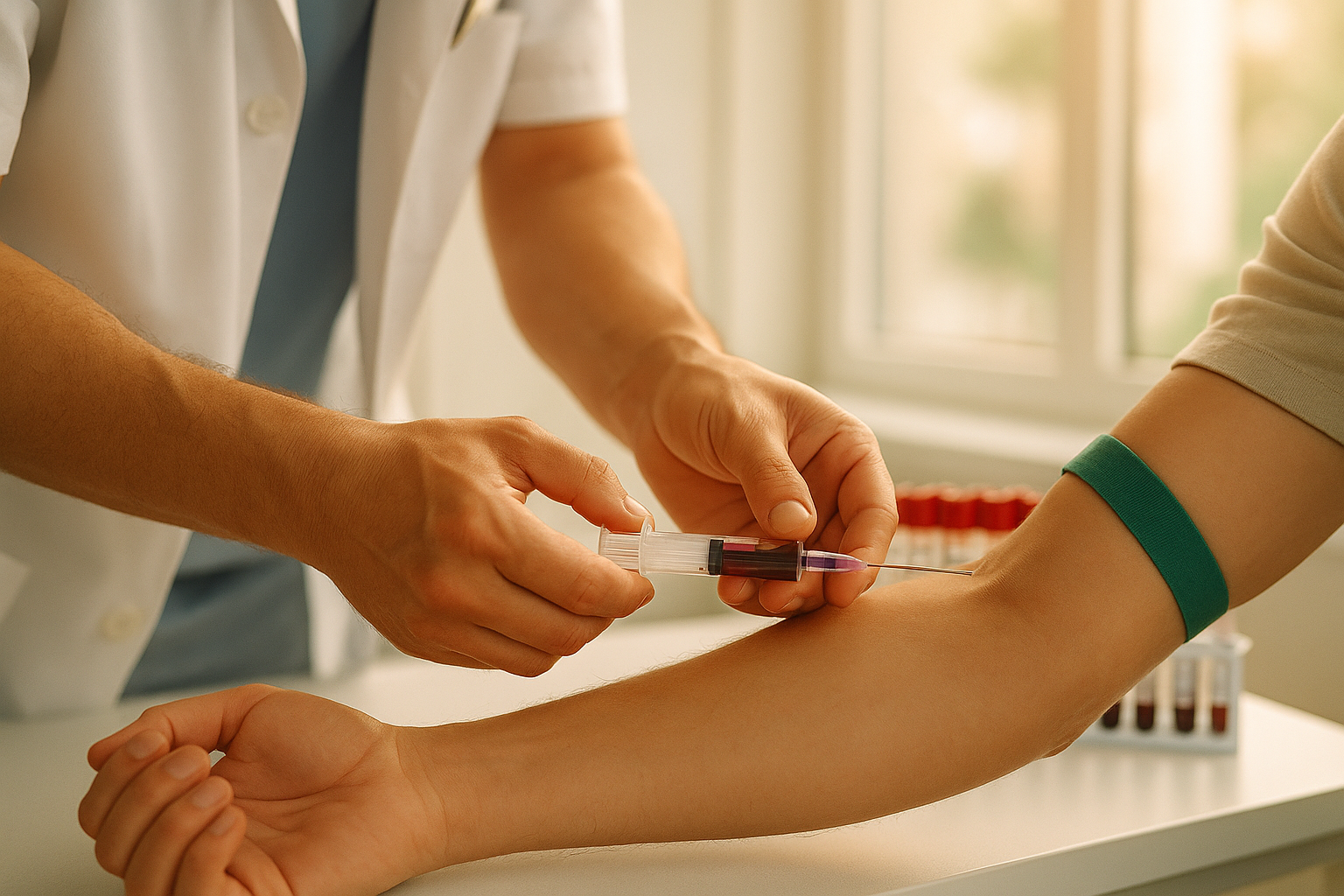
CRP and heart health are often discussed together because inflammation may play a role in cardiovascular risk. C-reactive protein, also called CRP, is a blood marker that can rise when inflammation is present in the body.
CRP does not diagnose heart disease by itself. Instead, it may provide additional information when considered together with blood pressure, cholesterol, blood sugar, lifestyle habits, family history, and a healthcare provider’s evaluation.
Cholesterol and blood pressure remain important parts of heart health risk assessment. However, they do not tell the entire story. Inflammation is another factor that may influence cardiovascular health, and C-reactive protein, or CRP, is one marker that healthcare providers may consider in selected situations.
CRP should not be viewed as a replacement for cholesterol testing. Instead, it may add another layer of information when interpreted together with blood pressure, cholesterol, blood sugar, lifestyle habits, age, family history, and a healthcare provider’s evaluation.
What Is C-Reactive Protein?
C-reactive protein is a substance your liver produces in response to inflammation anywhere in your body. Think of it as your body’s alarm system. When there’s inflammation—whether from an infection, injury, or chronic condition—your CRP levels rise.
Inflammation may be part of the broader heart health picture. Over time, chronic inflammation may be involved in changes within the blood vessels and may contribute to cardiovascular risk. This is one reason healthcare providers may consider inflammation markers along with blood pressure, cholesterol, lifestyle habits, and medical history.
When doctors order a high-sensitivity CRP test (hs-CRP), they’re measuring the low levels of inflammation that might be silently affecting your cardiovascular system. Unlike regular CRP tests that detect significant inflammation from acute conditions, the hs-CRP test can pick up the subtle, chronic inflammation linked to heart disease risk.
Why CRP May Add More Context Beyond Cholesterol
Your cholesterol numbers tell an important story, but they don’t give you the complete picture. Here’s the surprising truth: nearly half of all heart attacks occur in people with normal cholesterol levels. That’s where CRP testing fills a critical gap.
Cholesterol is still an important part of heart health risk assessment. However, it does not tell the whole story. Inflammation is another factor that may influence cardiovascular health, and high-sensitivity CRP may provide additional information when interpreted together with cholesterol, blood pressure, blood sugar, age, lifestyle habits, and medical history.
Some research suggests that higher hs-CRP levels may be associated with increased risk of cardiovascular events, even in people whose cholesterol levels are not obviously elevated. This does not mean CRP replaces cholesterol testing. Instead, it may help healthcare providers see a broader picture of risk.
Additionally, for people managing chronic health conditions, inflammation may be part of the broader cardiovascular risk picture. In some cases, healthcare providers may consider hs-CRP along with blood pressure, cholesterol, blood sugar, lifestyle habits, medical history, and family history when discussing prevention and long-term heart health.
Understanding Your CRP Numbers
When you receive hs-CRP test results, your healthcare provider should interpret them in the context of your full health picture. The general ranges below are commonly discussed, but they should not be used for self-diagnosis:
- Less than 1 mg/L: Low risk—this is where you want to be
- 1 to 3 mg/L: Average risk—room for improvement
- Greater than 3 mg/L: Higher range—discuss with your healthcare provider
- Greater than 10 mg/L: May indicate acute inflammation from infection or other conditions, requiring further investigation
Keep in mind that one elevated reading doesn’t necessarily mean trouble. Your doctor may recommend repeating the test, as CRP levels can fluctuate based on recent illness, injury, or other temporary factors.
How to Lower Your CRP Levels
The good news is that you have considerable control over your inflammation levels through lifestyle choices. Many of the same habits that protect your heart also help reduce CRP.
Focus on anti-inflammatory foods. Fill your plate with colorful fruits and vegetables, fatty fish like salmon and sardines, nuts, olive oil, and whole grains. These foods contain compounds that naturally fight inflammation in your body.
Move your body regularly. You don’t need to run marathons. Even moderate activities like walking, swimming, or gardening for 30 minutes most days can significantly lower CRP levels.
Prioritize quality sleep. Poor sleep increases inflammation throughout your body. Aim for seven to eight hours of restful sleep each night.
Manage chronic conditions. If you have diabetes, high blood pressure, or other health issues, keeping them well-controlled helps minimize inflammation. Stay on top of your medications and regular check-ups.
Discuss medications only with your healthcare provider. Medication decisions should always be based on your personal health history, test results, and your clinician’s guidance.
The Bottom Line
C-reactive protein testing may provide additional information about inflammation and cardiovascular risk when interpreted together with cholesterol, blood pressure, lifestyle habits, and your overall health history. If you haven’t had your CRP checked, it’s worth discussing with your healthcare provider, especially if you have other risk factors like family history, diabetes, or previous cardiovascular problems.
Understanding CRP may give you one more piece of information to discuss with your healthcare provider as part of your overall heart health plan.
Ready to Track Your Blood Pressure Trend?
Heart health is not defined by one number. Blood pressure, cholesterol, inflammation, sleep, stress, food choices, and daily habits all work together over time.
Use the free Miland Blood Pressure Tracker to save your readings privately, understand your trend, and bring a clearer summary to your next doctor visit.
Start Tracking My Blood Pressure
Educational use only. Not medical advice, diagnosis, treatment, or emergency monitoring.
Disclaimer: This article is for informational purposes only and should not replace professional medical advice. Always consult with your healthcare provider before making changes to your health routine or interpreting test results.