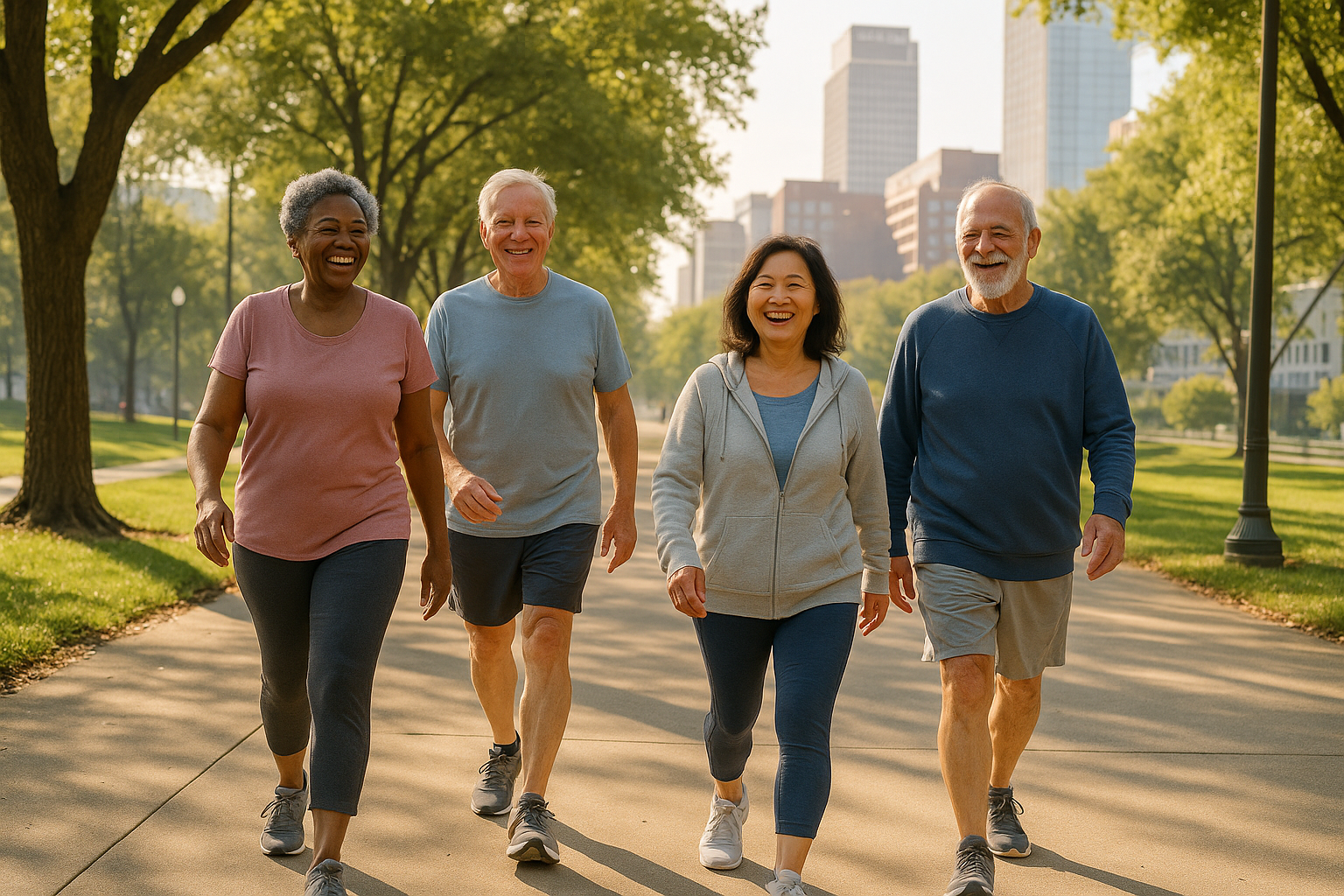
When you hear about a heart and stroke walk happening in your community, it’s easy to think, “That’s nice, but what does it have to do with me?” The answer might surprise you. Events like the Greater Omaha Heart and Stroke Walk returning this Saturday to Gene Leahy Mall represent much more than just a fundraiser—they’re a powerful reminder that movement, community, and heart health awareness can transform your life at any age. Whether you’ve personally dealt with heart disease or stroke, or you’re working to prevent these conditions, there’s valuable wisdom in understanding why these walks matter and how you can apply their spirit to your daily wellness routine.
Why Heart Health Events Matter for You
Heart disease and stroke remain the leading causes of death and disability among Americans over 60. These conditions don’t just happen overnight—they develop over years, influenced by factors like blood pressure, cholesterol levels, diet, and physical activity. Community events focused on heart health serve an important purpose: they bring awareness to conditions that are often preventable or manageable with the right lifestyle changes.
Even if you can’t attend a walk in person, the message behind these events is clear: your heart health deserves attention every single day. These gatherings also remind us that we’re not alone in our health journeys. Thousands of people across the country are managing similar challenges, making lifestyle adjustments, and supporting one another in the process.
Walking Your Way to Better Heart Health
Walking is one of the most accessible and effective exercises for seniors managing chronic conditions. Unlike high-impact activities that can stress your joints, walking provides cardiovascular benefits while being gentle on your body. Research consistently shows that regular walking can lower blood pressure, improve circulation, reduce your risk of heart disease and stroke, and even boost your mood.
The beauty of walking is its flexibility. You don’t need expensive equipment, a gym membership, or perfect weather. Here’s how to make walking work for you:
- Start where you are: If you can only manage five minutes at a time, that’s your starting point. Consistency matters more than distance.
- Use what you have: Shopping malls offer climate-controlled walking routes, especially helpful during extreme weather.
- Find your pace: You should be able to talk while walking but feel your heart rate increase slightly.
- Make it social: Walking with a friend or joining a walking group adds accountability and enjoyment.
- Listen to your body: Some discomfort as you build stamina is normal, but sharp pain or excessive breathlessness requires a pause and possibly a call to your doctor.
Building Community Around Wellness
One often-overlooked benefit of heart health events is the sense of community they create. Social isolation can negatively impact your health just as much as physical inactivity. When you connect with others who understand the challenges of managing chronic conditions, you gain emotional support, practical tips, and motivation to keep going.
You don’t need to wait for an organized event to build this community. Consider starting a neighborhood walking group, joining a senior center fitness program, or connecting with online communities focused on heart health. Many hospitals and community centers offer cardiac rehabilitation programs or heart-healthy living classes specifically designed for older adults.
Taking Action Beyond the Walk
The spirit of a heart health walk can inspire year-round changes. Beyond regular walking, you can protect your heart through simple daily choices. Focus on eating more vegetables, fruits, and whole grains while limiting sodium and saturated fats. Stay on top of your medications and regular check-ups. Manage stress through activities you enjoy, whether that’s gardening, reading, or spending time with loved ones.
Sleep also plays a crucial role in heart health. Aim for seven to eight hours of quality sleep each night, as poor sleep is linked to high blood pressure and other cardiovascular problems.
Bottom Line
Events like the Greater Omaha Heart and Stroke Walk remind us that heart health is a community effort and a daily commitment. You don’t need to participate in organized walks to benefit from their message: regular movement, especially walking, combined with heart-healthy lifestyle choices can significantly reduce your risk of cardiovascular problems or help you better manage existing conditions. Every step you take—whether at a community event or around your neighborhood—is an investment in your health and future.
Start Protecting Your Heart Today
Daily walks and regular blood pressure tracking are two of the most powerful habits for long-term heart health.
Our free Blood Pressure Tracker helps you monitor your numbers, spot trends, and stay consistent with your wellness goals.
👉 Start here:
Use the Free Blood Pressure Tracker →
Small daily habits create lasting results.
Disclaimer: This article is for informational purposes only and is not a substitute for professional medical advice. Before beginning any new exercise program or making changes to your health routine, please consult with your healthcare provider, especially if you have existing heart conditions or other chronic health concerns.