If you or someone you love played football in their younger years, a new study offers an important wake-up call about the connection between sleep problems and brain health. Research has found that former football players with untreated sleep apnea experience significantly more neuropsychiatric symptoms—including depression, anxiety, and cognitive issues—than those who get proper treatment. This finding matters to all of us as we age, whether we played contact sports or not, because sleep apnea becomes increasingly common after 60.
What the Research Reveals
The study focused on former professional and college football players, a group already at higher risk for brain-related issues due to repeated head impacts during their playing days. What researchers discovered was striking: players with untreated sleep apnea reported substantially more problems with mood, thinking, and behavior compared to those who sought treatment.
Sleep apnea is a condition where your breathing repeatedly stops and starts during sleep. When left untreated, it deprives your brain of oxygen throughout the night—sometimes hundreds of times. For former athletes already dealing with potential brain changes from their playing days, this nightly oxygen deprivation appears to make neuropsychiatric symptoms considerably worse.
But here’s what matters most for you: this connection between untreated sleep apnea and brain health isn’t limited to former football players. It affects everyone, and the risk increases as we get older.
Why Sleep Apnea Deserves Your Attention
Many people dismiss snoring or feeling tired during the day as just normal parts of aging. They’re not. Sleep apnea affects about 30% of adults over 65, yet it often goes undiagnosed and untreated.
When your breathing stops during sleep, even briefly, your oxygen levels drop. Your brain and body go into emergency mode, partially waking you to restart breathing. This cycle can repeat dozens or even hundreds of times per night, preventing you from getting the deep, restorative sleep your brain needs to function properly.
Common signs of sleep apnea include:
- Loud snoring or gasping during sleep
- Waking up with a dry mouth or headache
- Feeling exhausted despite spending enough time in bed
- Difficulty concentrating or remembering things
- Mood changes, including increased irritability or depression
- Waking frequently to use the bathroom at night
The Good News: Treatment Makes a Real Difference
Here’s the encouraging part of this research: treatment works. Former football players who received proper treatment for their sleep apnea showed significantly fewer neuropsychiatric symptoms. This suggests that addressing sleep apnea might help protect your brain health and improve your quality of life.
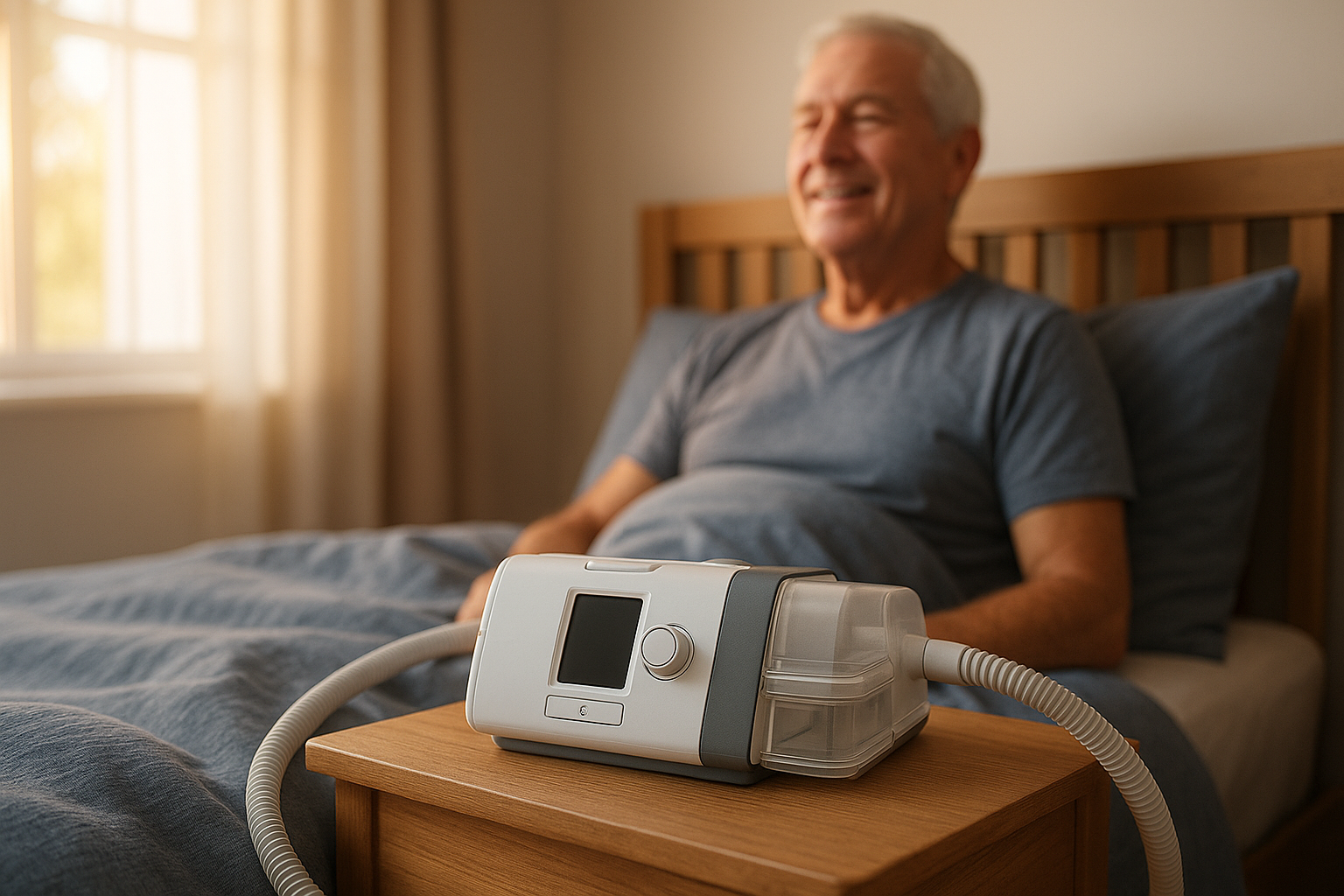
The most common treatment is CPAP (Continuous Positive Airway Pressure), a machine that gently keeps your airway open while you sleep. Yes, it takes some getting used to, but modern CPAP machines are quieter and more comfortable than older models. Many users report feeling dramatically better within just a few weeks.
Other treatment options include dental devices that reposition your jaw, lifestyle changes like weight loss and sleeping on your side, or in some cases, minor surgical procedures. Your doctor can help determine which approach is right for you.
Taking Action for Better Sleep and Brain Health
If you recognize any symptoms of sleep apnea in yourself, don’t wait. Talk to your doctor about getting a sleep study. These days, many sleep studies can even be done at home with portable equipment, making the process much more convenient than in the past.
Beyond seeking diagnosis and treatment, you can support better sleep with these steps:
- Maintain a healthy weight, as excess weight increases sleep apnea risk
- Avoid alcohol and sedatives in the evening, which relax throat muscles
- Sleep on your side rather than your back
- Keep your bedroom cool, dark, and quiet
- Establish a consistent sleep schedule
The Bottom Line
Whether you played football decades ago or never touched a pigskin in your life, untreated sleep apnea poses serious risks to your brain health and overall well-being. The connection between poor sleep and neuropsychiatric symptoms is real, but so is the power of treatment. If you’re experiencing symptoms, getting evaluated and treated could significantly improve your mood, memory, and quality of life. Don’t accept poor sleep as inevitable—it’s a medical issue that deserves attention.
Free Blood Pressure Tracker
Take control of your blood pressure and heart health with our simple daily tracker.
Start here:
https://milandwellness.com/blood-pressure-tracker/
Medical Disclaimer
This article is for educational purposes only and does not replace professional medical advice, diagnosis, or treatment. Always consult your physician regarding your health condition.