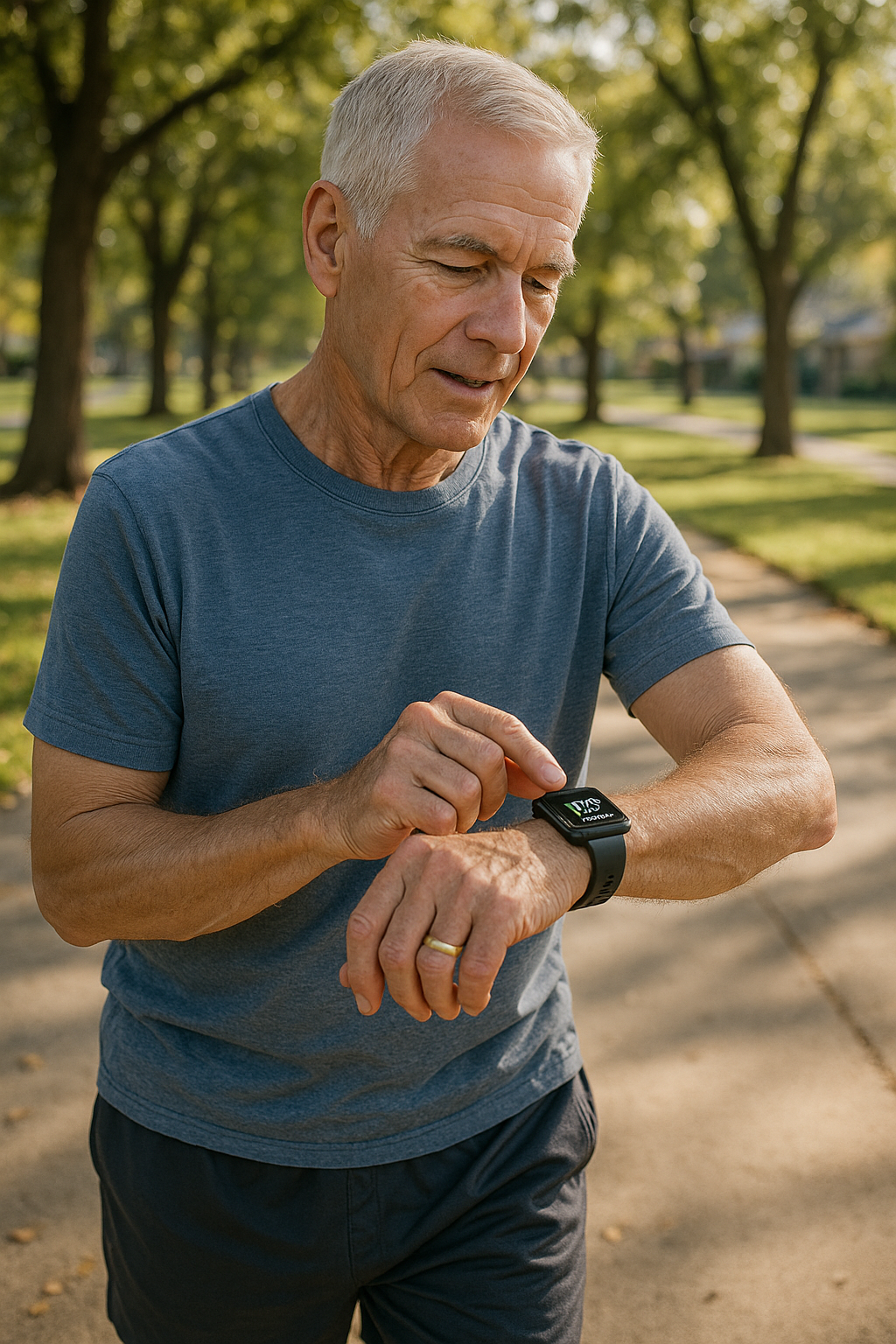
If you’re a grandparent who’s ever wished you could keep a closer eye on your grandchild’s health concerns, a new study brings encouraging news. Researchers have found that the Apple Watch can effectively monitor heart rhythm problems in children who experience symptoms like rapid heartbeat or dizziness. While this research focuses on younger patients, it’s part of a broader revolution in how we all—including seniors managing our own heart conditions—can use wearable technology to take charge of our health.
What the Study Discovered About Heart Monitoring
Doctors at a major children’s hospital studied whether the Apple Watch could reliably detect heart rhythm abnormalities in kids experiencing concerning symptoms. The results were impressive: the watch successfully captured important heart rhythm data in a high percentage of cases, helping doctors make faster diagnoses.
You might wonder why this matters to you as an older adult. The answer is simple: this technology isn’t just for young people. If it works well for children with heart symptoms, it’s equally valuable—perhaps even more so—for those of us in our 60s, 70s, and beyond who may be managing conditions like atrial fibrillation (irregular heartbeat) or other cardiac concerns.
Why Wearable Heart Monitors Matter for Your Health
Traditional heart monitoring has always presented a challenge. You experience symptoms at home—maybe your heart races while you’re gardening or feels like it’s skipping beats during your morning walk—but by the time you get to the doctor’s office, everything seems normal. Sound familiar?
This is where wearable technology becomes your ally. Here’s what makes devices like the Apple Watch so valuable for heart monitoring:
- They’re with you 24/7, capturing data exactly when symptoms occur
- They can detect irregular heart rhythms (arrhythmias) that come and go unpredictably
- They provide data you can share directly with your doctor, making appointments more productive
- They offer peace of mind by alerting you to potential problems in real-time
Many seniors have already discovered that their smartwatches have alerted them to heart rhythm problems they didn’t know they had, potentially preventing more serious complications like stroke.
Practical Steps to Use Heart Monitoring Technology
If you’re managing a chronic heart condition—or even if you just want to be proactive about your cardiovascular health—consider these practical steps:
First, talk with your doctor about whether wearable heart monitoring makes sense for your situation. Not everyone needs this level of monitoring, but if you have symptoms like palpitations, unexplained dizziness, or shortness of breath, it could be incredibly helpful.
Second, if you decide to use an Apple Watch or similar device, take time to understand its heart health features. Most newer models include ECG (electrocardiogram) capabilities and irregular rhythm notifications. Ask a tech-savvy family member or visit an Apple Store for a tutorial if needed—there’s no shame in asking for help with technology.
Third, keep a simple log of when you experience symptoms and what you were doing at the time. Your smartwatch captures the data, but your personal notes about context help your doctor interpret the information more effectively.
The Bottom Line for Your Heart Health
The success of wearable heart monitoring in children demonstrates that this technology has come of age. For seniors managing chronic conditions, these devices offer a practical way to stay connected with your health between doctor visits.
Remember that technology is a tool to complement—not replace—regular medical care. Your smartwatch data is most valuable when shared with and interpreted by your healthcare provider. Think of it as giving your doctor a window into your daily life, helping them make more informed decisions about your care.
Whether you already own a smartwatch or are considering one, now is an excellent time to explore how heart rhythm monitoring can support your health goals. The future of healthcare is increasingly personalized and patient-centered, and wearable technology puts valuable information right on your wrist.
Disclaimer: This article is for informational purposes only and should not be considered medical advice. Always consult with your healthcare provider before making decisions about heart monitoring, using new health technology, or changing your treatment plan. If you experience severe chest pain, extreme shortness of breath, or other emergency symptoms, call 911 immediately.